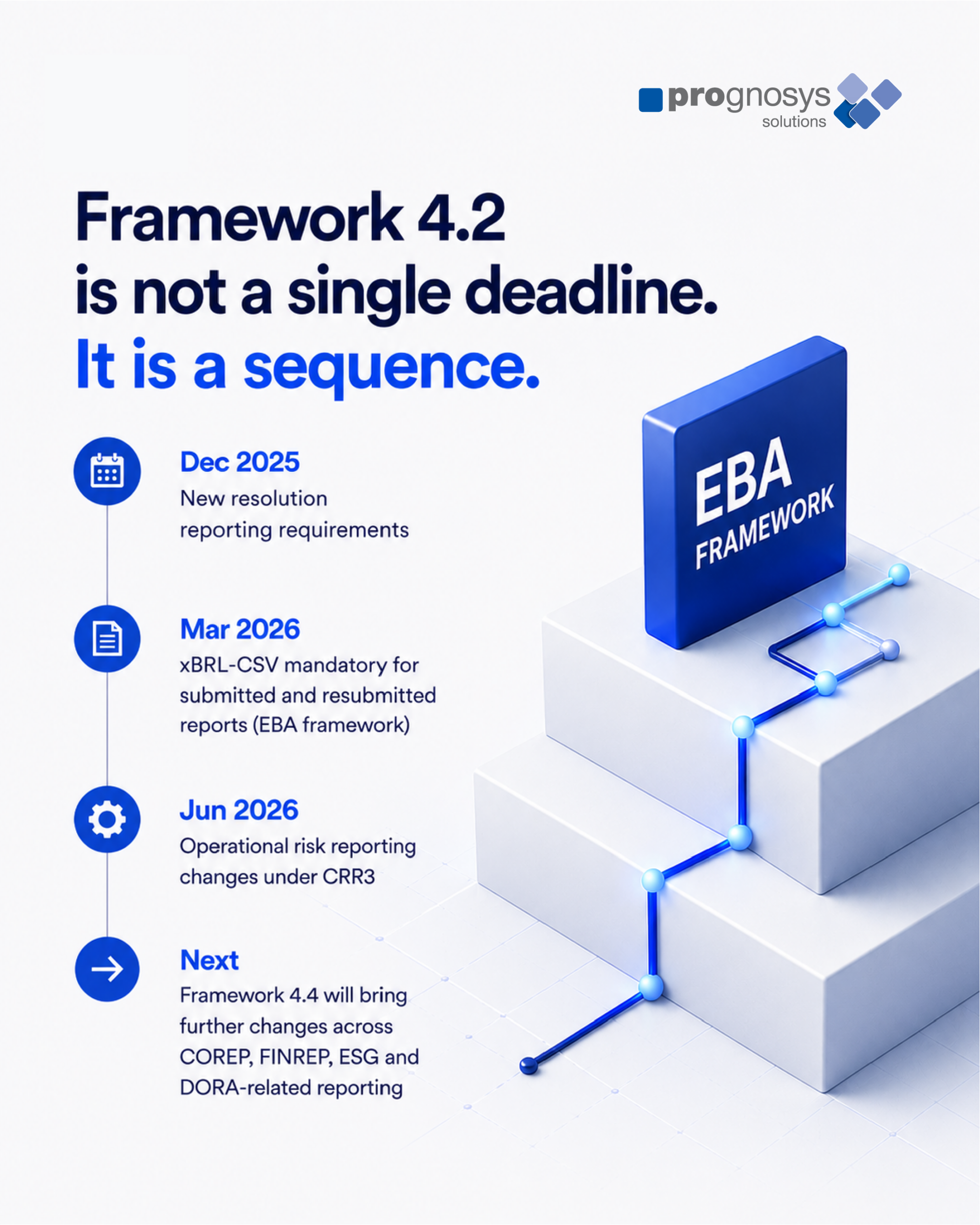
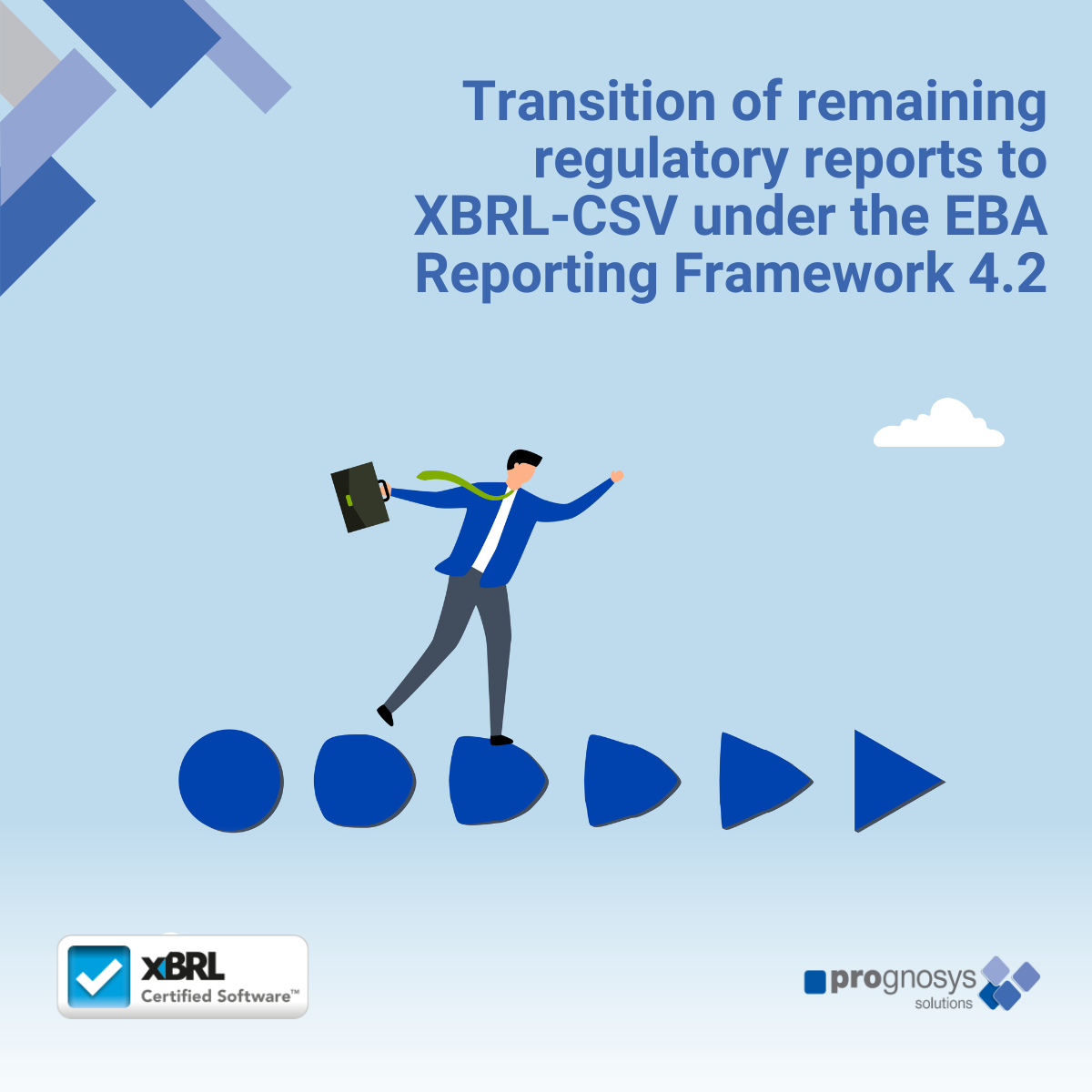
The mandatory adoption of XBRL-CSV for regulatory reporting by 31 March 2026 represents one of the most technically demanding milestones in the current regulatory cycle. While selected reporting streams have already transitioned, all remaining regulatory reports must comply under the EBA Reporting Framework 4.2.
At Prognosys Solutions, this transition is viewed not as a format update, but as a structural change to how regulatory reporting operates.
Why XBRL-CSV changes the reporting model
XBRL-CSV impacts the reporting lifecycle end to end. Existing production pipelines must be redesigned, validation logic must be reworked, and testing environments must support more frequent and technically complex iterations. In practice, this brings reporting closer to a controlled software release process than a periodic compliance exercise.
From experience supporting financial institutions across multiple frameworks, the most significant challenges arise not from understanding the specifications, but from implementing them reliably under tight timelines and parallel regulatory pressure.
A compressed and unforgiving timeline
The XBRL-CSV transition coincides with several major milestones tied to late-2025 and early-2026 reference dates, including Resolution Planning, FinRep for Credit Acquiring Companies and the adoption of NACE Codes Rev. 2.1. For reporting teams, this convergence increases operational risk if capacity, sequencing and testing are not carefully managed.
This is where preparation matters more than interpretation.
How Prognosys supports preparedness
Prognosys works alongside institutions to ensure that XBRL-CSV adoption strengthens reporting capability rather than disrupts it. In practice, this means:
Designing scalable reporting architectures that support XBRL-CSV requirements
Implementing robust validation and testing workflows
Supporting controlled change management and release cycles
Ensuring consistency across reporting domains and frameworks
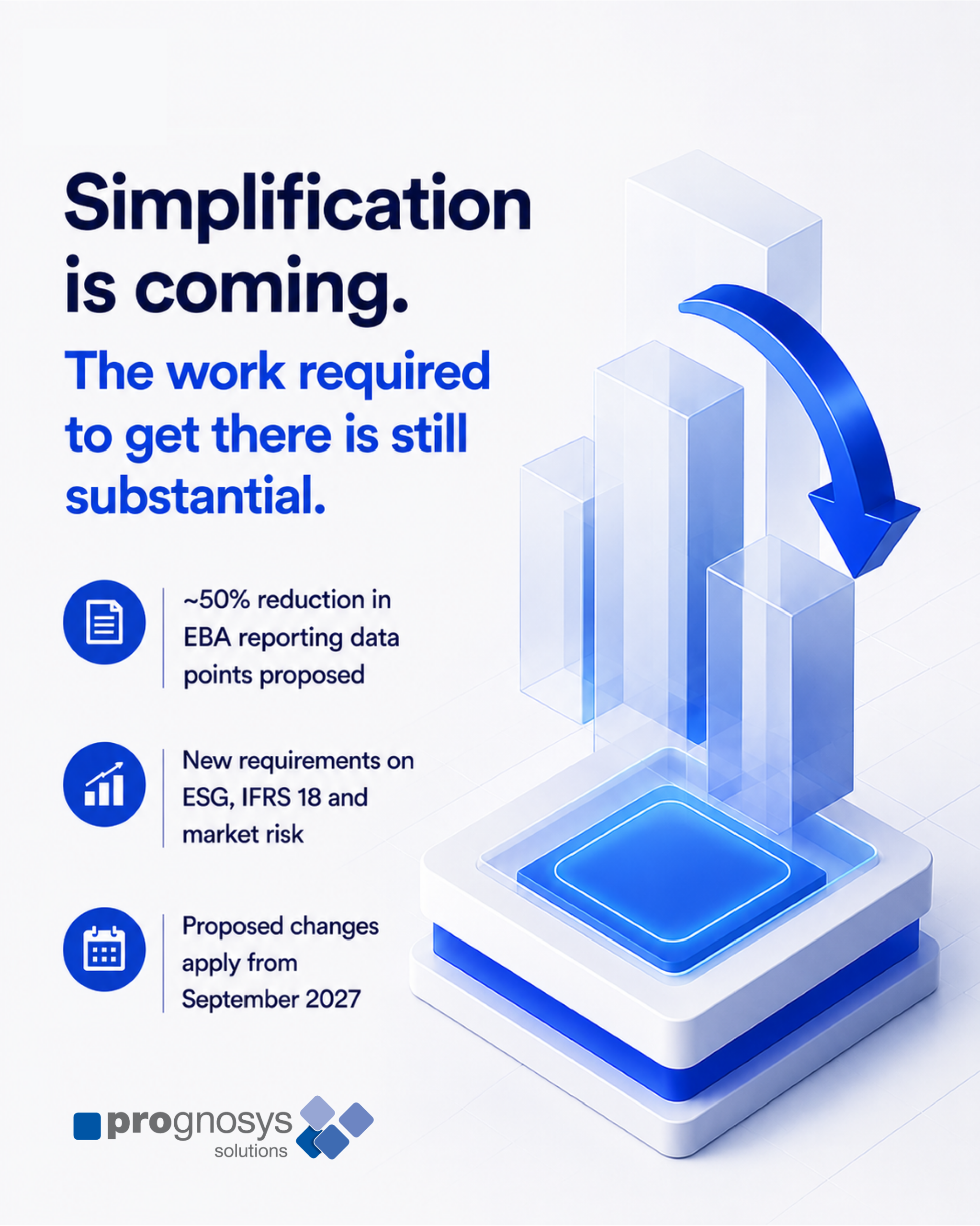
By focusing on infrastructure, automation and governance, institutions are better positioned not only to meet the March 2026 deadline, but to absorb ongoing regulatory change beyond it.
Beyond compliance
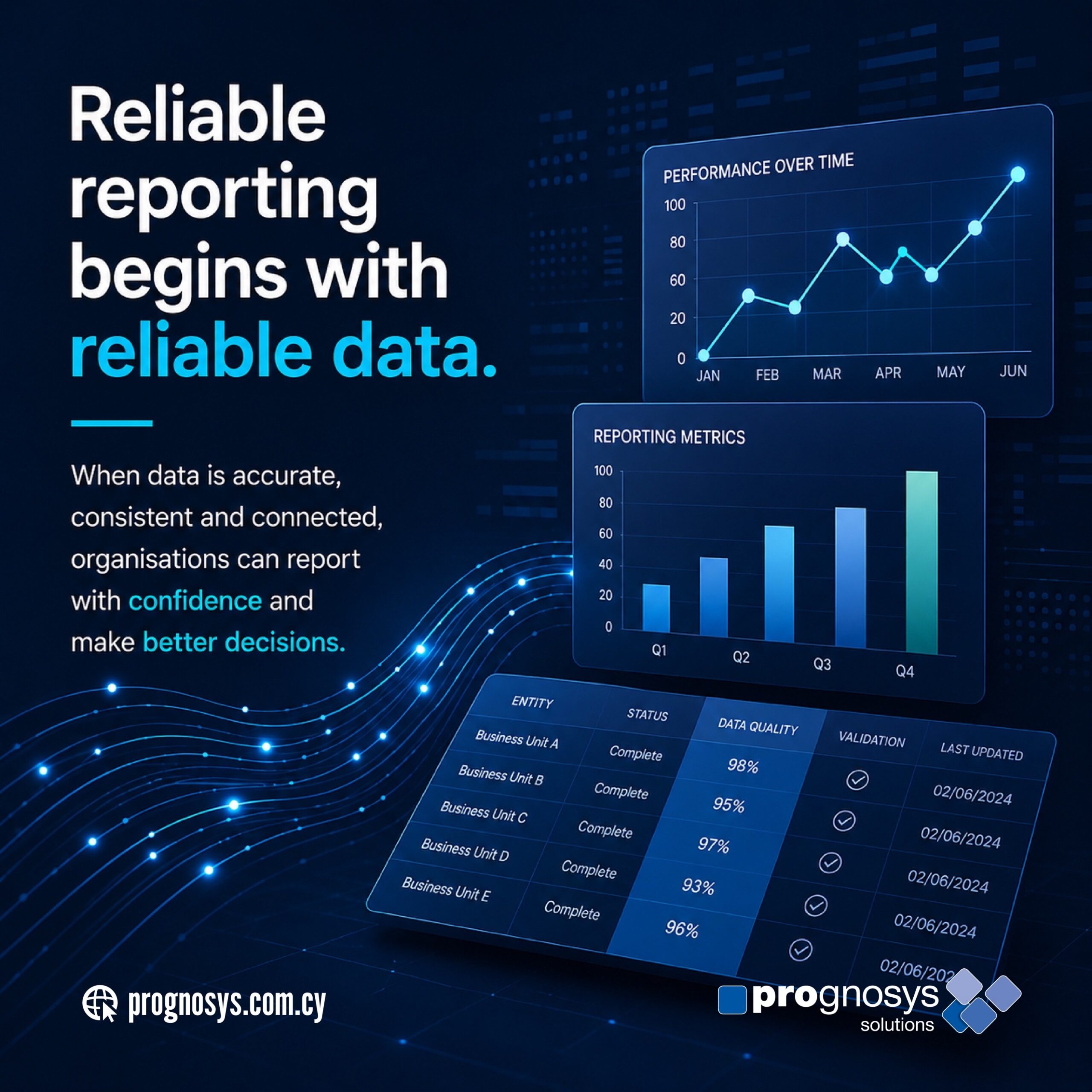
XBRL-CSV reinforces a broader supervisory expectation: structured, high-quality and machine-readable data delivered consistently across reporting cycles. Institutions that invest in resilient reporting foundations are able to respond faster, reduce operational friction and maintain credibility with supervisors.
The defining question for 2026 is not whether reports can be produced in a new format. It is whether regulatory reporting is treated as a standing operational capability.
At Prognosys, supporting that transition has been at the core of our work for more than 20 years.