Regulatory reporting is becoming more demanding, not only in volume but in the level of consistency, transparency, and control expected from financial institutions. Across Europe, supervisory priorities continue to emphasise stronger risk data aggregation and reporting, while the wider reporting agenda is moving toward more integrated, standardised, and data-driven frameworks.
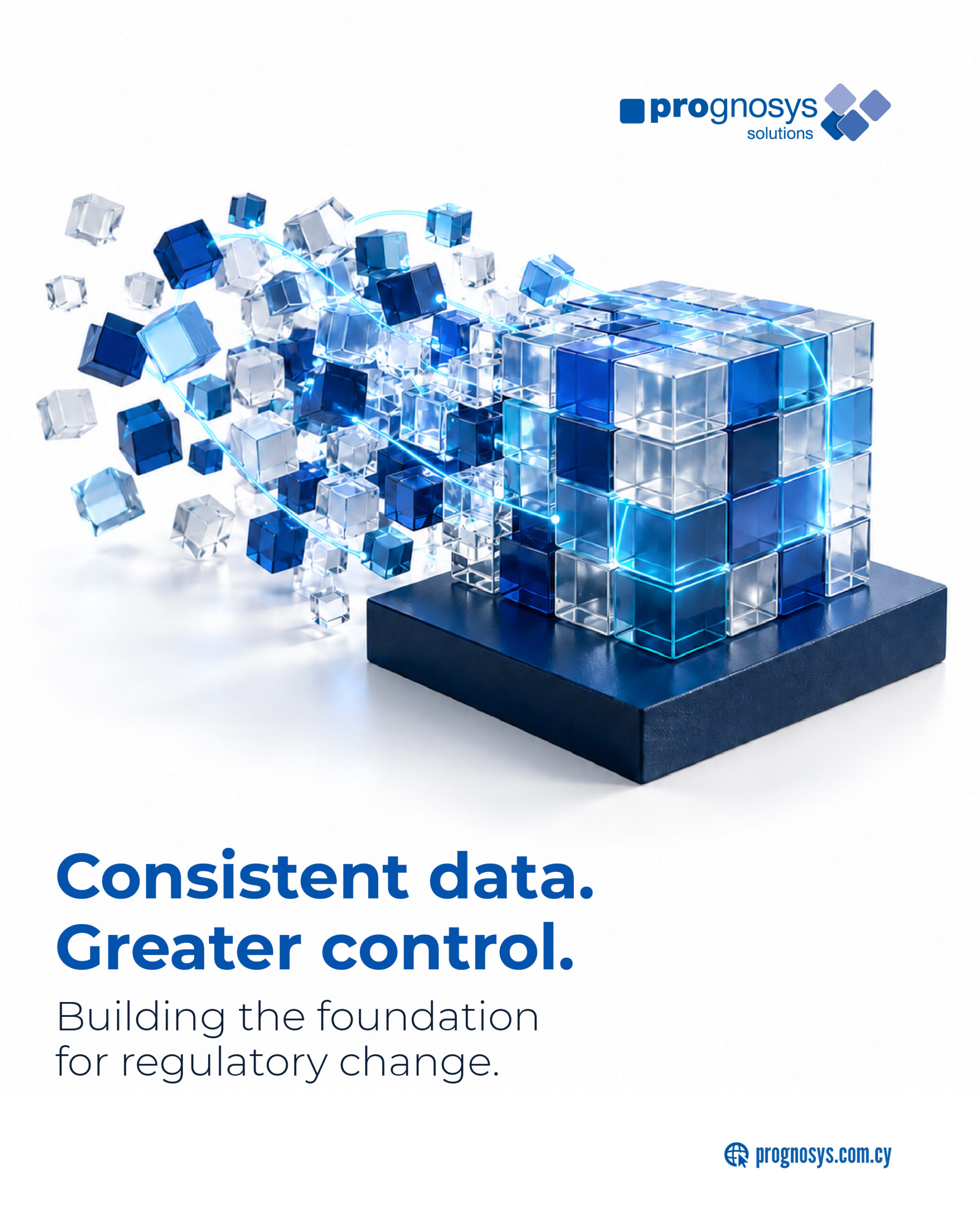
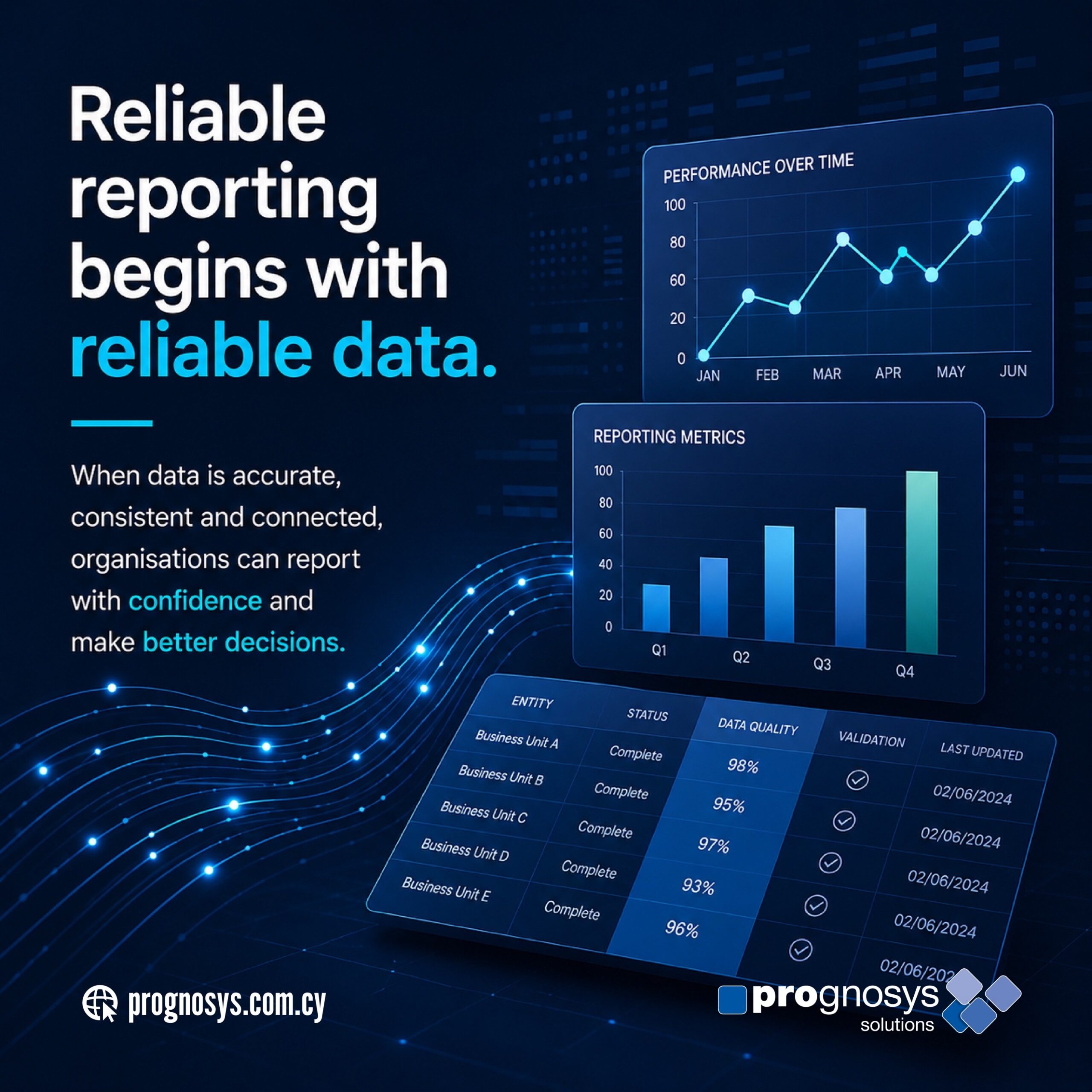
In this environment, the quality of reporting cannot be judged only at the point of submission. It is determined much earlier, by the quality of the data behind it. When data is accurate, accessible, and well-governed across systems and teams, reporting becomes more reliable. It also gives institutions a stronger basis for oversight, decision-making, and risk management. The ECB has explicitly stressed that strong risk data aggregation and risk reporting capabilities are essential for sound risk management and effective decision-making.
This is why trusted data matters so much. Reporting challenges often begin long before a template is completed or a submission is due. In many organisations, data still sits across multiple systems, processes rely on manual intervention, and teams spend significant time validating figures before they are ready for review. Over time, this can create delays, add operational pressure, and make it harder to respond efficiently when requirements change. That conclusion is an inference based on the ECB’s focus on reporting quality and the EBA’s ongoing work to improve semantic consistency, integrated reporting, and data quality.
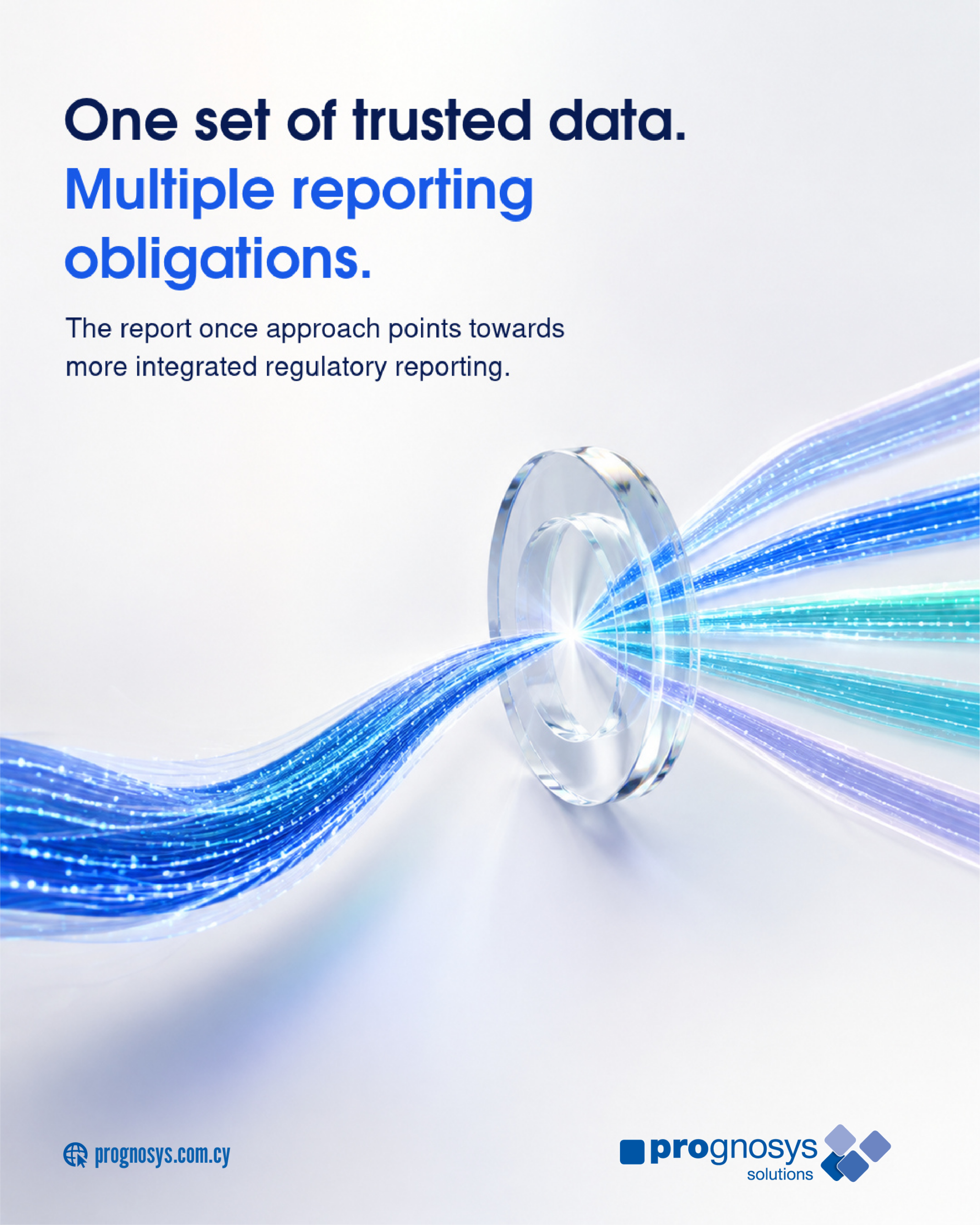
A stronger reporting environment starts by building trust in the flow of information. That means clearer data ownership, better consistency across systems, stronger controls, and reporting processes designed to support accuracy from the start. The direction of travel across the EU supports this clearly. The EBA’s 2026 work programme highlights the evolution of DPM 2.0, the development of an integrated reporting system, and work linked to the EU Supervisory Data Strategy. Its 2026 reporting simplification work also points to simpler, smarter, and more proportionate reporting supported by stronger data architecture.
For organisations, the value goes beyond compliance. When data foundations are stronger, reporting becomes easier to manage with consistency and confidence. Teams can spend less time correcting and reconciling information, and more time on review, interpretation, and action. That helps support better internal visibility and a more resilient operating environment. This is an inference grounded in the ECB’s view that strong risk data aggregation and reporting capabilities support both sound risk management and operational efficiency.
This matters even more as the broader regulatory environment becomes more exacting. DORA has applied since 17 January 2025, reinforcing the expectation that financial entities must be able to withstand, respond to, and recover from ICT-related disruptions. In practice, that raises the importance of data reliability, process discipline, and reporting environments that can hold up under pressure.
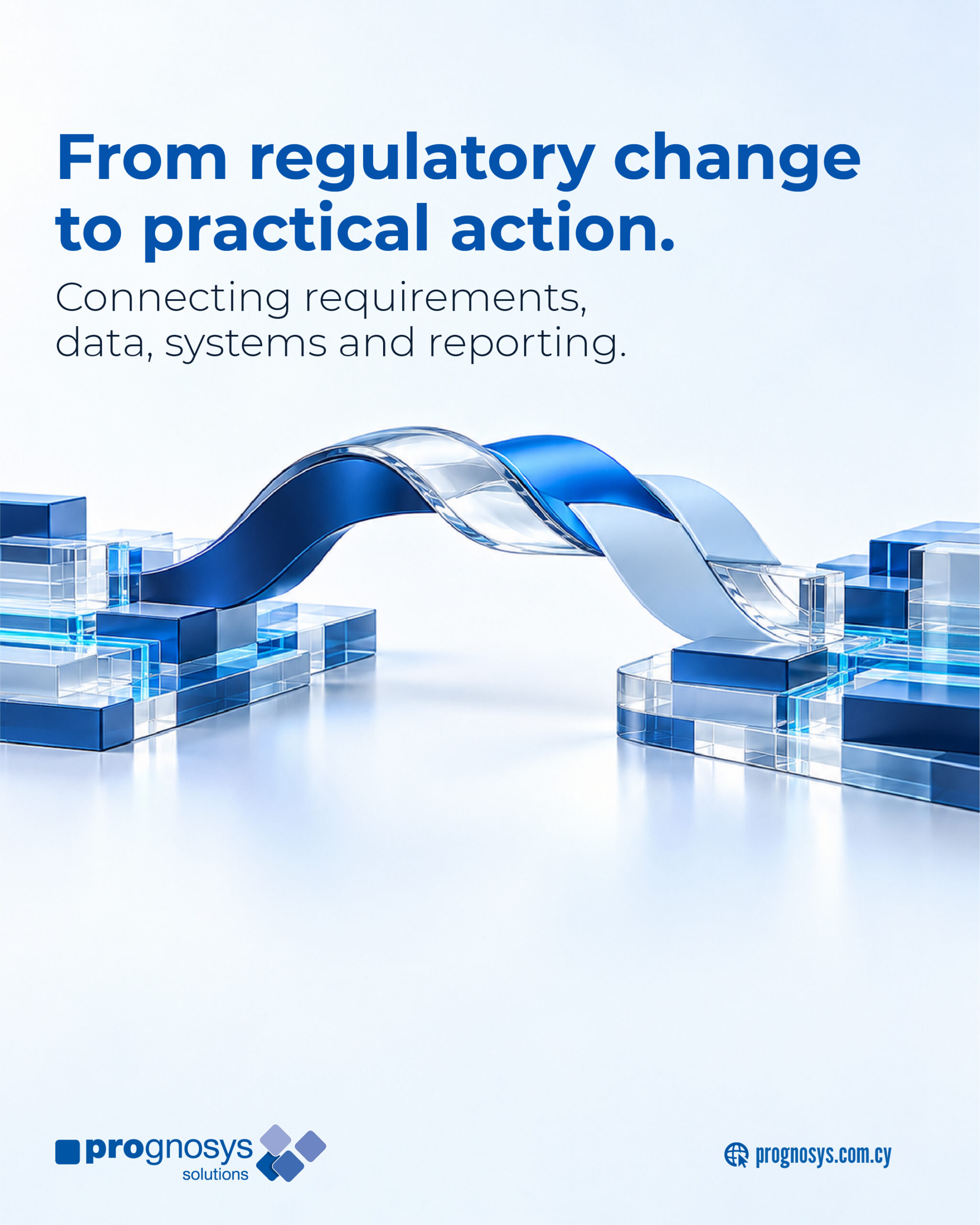
At Prognosys Solutions, we support organisations in strengthening the reporting environments behind critical regulatory and operational requirements. By helping connect data, improve visibility, and streamline reporting processes, we help teams work with greater confidence and build reporting structures designed for long-term value.